
Five years ago, the COVID-19 pandemic shuttered schools across California, leaving millions of students with acute academic and social-emotional needs. In response, we established a research-practice-partnership to identify what works to uplift student learning and well-being. This blog reflects on the key lessons learned from this partnership and outlines actionable steps for researchers, policymakers, and practitioners.
One of the most important insights is the need to break down silos between research, policy, and practice, especially during times of crisis.
Researchers, policymakers, and practitioners may define problems differently, especially during times of crisis. For example, while much of the academic and policy discourse emphasizes academic outcomes, particularly test scores, local leaders overwhelmingly prioritize student mental health and social-emotional wellbeing. Another common disconnect arises from how interventions are implemented and evaluated. Research typically studies one intervention at a time; however, local decision-makers rarely rely on a single intervention. Instead, they implement a suite of programs addressing multiple facets of student learning. Establishing a shared understanding—or even a common language—can bridge these divides and make research more actionable and policy more effective.
Recommendations for State Policymakers
- In the case of major disruptions to education, anticipate slow recovery, and fund recovery accordingly. Many in both the policymaker and research communities have been surprised by the slow recovery in both academic achievement and attendance rates. The large inflows of funds to school districts were helpful, but spreading funding over even more than four or five years could provide the extended help students might need. It might also encourage districts to bring reforms in-house to a greater extent, which could further align reforms and student supports with existing curricula and pedagogical approaches.
- Invest where centralized action has the greatest impact. Early in the pandemic, California purchased and distributed devices and Wi-Fi hot spots to students and families in need. Later on, the state invested over $6 billion to build out broadband infrastructure. These statewide investments are more cost-effective and comprehensive to bridge the digital divide than district-by-district approaches.
- Avoid confusion from similarly named programs. In 2021 the state launched the Expanded Learning Opportunities Grant (ELOG) and Expanded Learning Opportunities Program (ELOP) in 2021 to provide additional resources to address pandemic disruptions. Despite their similar names, the programs had different rules and eligibility criteria, which created confusion for districts trying to allocate funds effectively.
Recommendations for Local District Leaders
- Modernize data systems. Timely, actionable data have made a difference in districts’ recovery. Some districts can link attendance data with assessments, while others struggle to identify chronically absent students. Local leaders can collaborate with researchers to determine what types of data are most useful for different kind of evaluations so that data collection efforts are purposeful and aligned with improvement goals.
- Use multiple measures of student learning. Districts have primarily relied on quantitative data such as test scores, attendance, and graduation to guide their local improvement efforts. Since the pandemic, many districts are incorporating more qualitative evidence such as student voice and experience through surveys, apps, podcasts, and youth advisory panels to more holistically understand student experiences.
Recommendations for Researchers
- Co-design research with the policymakers and practitioners. Policymakers and practitioners are not merely end-users of research—they are essential partners in its creation. This ensures that research speaks directly to the needs of policymakers and practitioners and increases the likelihood that findings will be used in the real world.
- Experiment with new ways to share findings. In our partnership, informal debriefings, co-hosted workshops, and listening tours proved effective in communicating findings directly with decisionmakers. These formats foster dialogue, engagement, and help local leaders consider how research applies to their unique contexts.
The pandemic has underscored the urgency to rethink how research is conducted and used as future crises are, unfortunately, inevitable to a certain degree. Research must be embedded in the realities of policy and practice to be more relevant, timely, and impactful. By developing common language, co-creating research design, and fostering mutual learning, we can reimagine research and practice to be more responsive to the complex needs of students, especially in time of crisis.
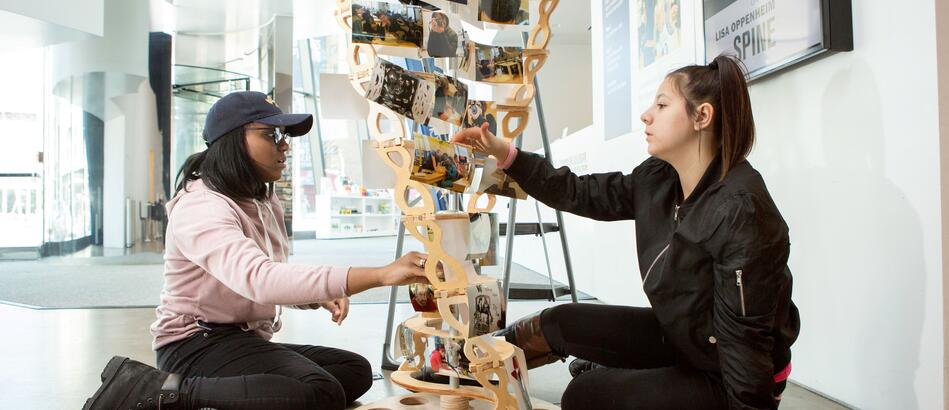
Photo by Allison Shelley/The Verbatim Agency for EDUimages